Managing Big Feelings: How We Handle Tantrums with Calm
Understanding Big Feelings in Young Children
Managing tantrums is a key part of early childhood development. Young children experience strong emotions every day. However, they often lack language and self-regulation skills to express those emotions clearly. As a result, frustration or disappointment may appear as crying, shouting, or physical reactions.
Tantrums are common during the early years. They often begin around 18 months and usually reduce as children develop communication and emotional skills. This process can take time, and each child develops at a different pace.
At HFSE YoungStarters, managing tantrums is not about correcting behaviour. Instead, tantrums are understood as signals. They show that a child needs reassurance, guidance, or support. Our educators respond with patience, and calm so children can learn to understand their feelings safely and confidently.
Why Staying Calm Matters When Managing Tantrums
Young children rely on adults to help regulate emotions. Research shows that children feel safer when adults remain calm during emotional moments. As emotions settle, children regain a sense of control more easily.
The American Psychological Association highlights that emotion regulation develops gradually. Consistent and responsive caregiving plays a strong role in this process. Children learn emotional responses by watching how trusted adults behave during stressful situations.
Therefore, HFSE YoungStarters educators model calm and respectful responses at all times. This approach reassures children and shows them that big feelings can be managed without fear or punishment.
How HFSE YoungStarters Supports Managing Tantrums
Our approach to managing tantrums is guided by child development research and best practices in early childhood education.
Prioritising Safety and Connection
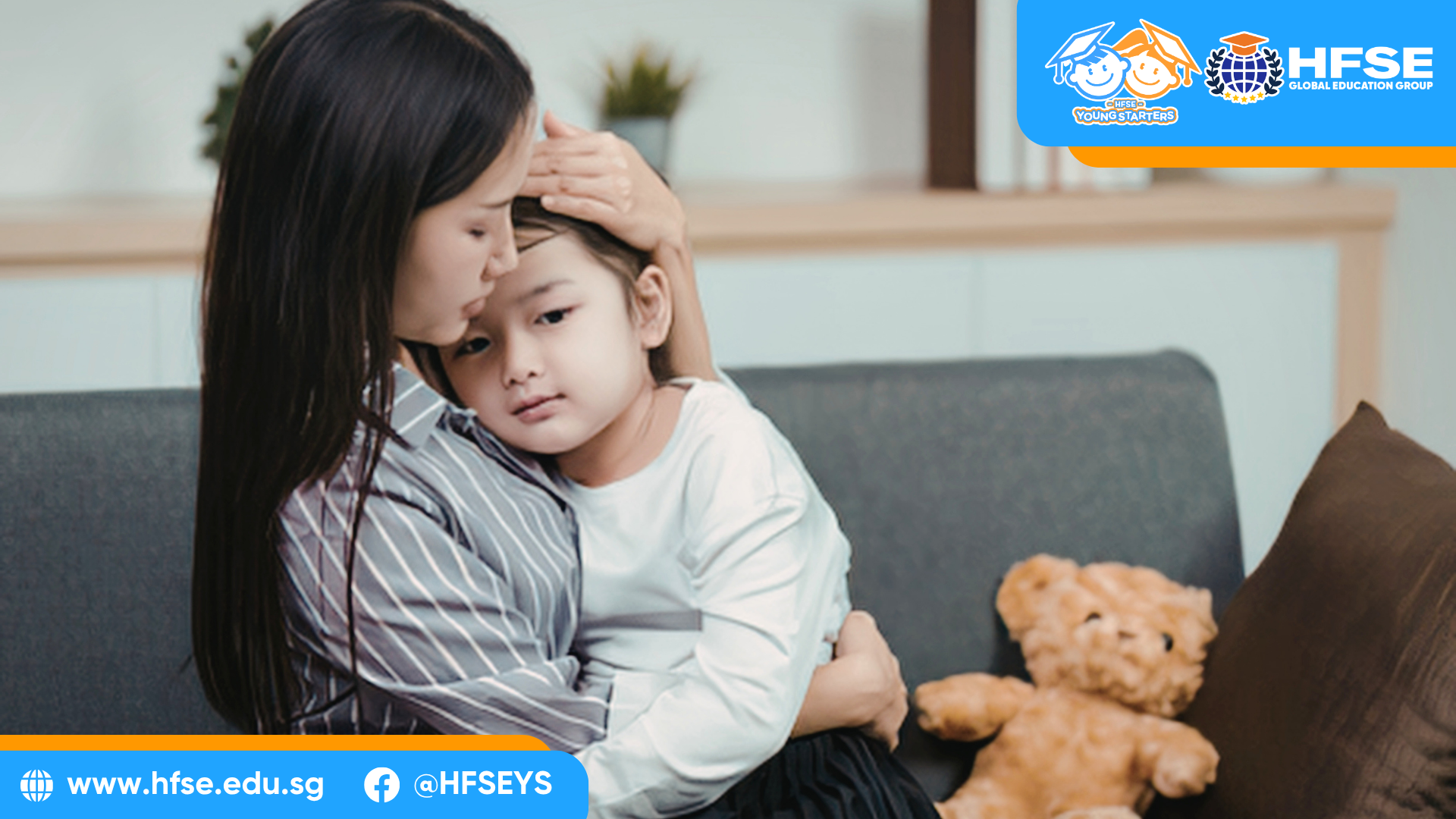
During a tantrum, safety comes first. Educators stay nearby and speak calmly. They reduce stimulation and avoid raising voices. A calm presence helps children settle more quickly than reactive responses.
By maintaining connections, children feel supported rather than overwhelmed. This lays the foundation for emotional regulation.
Acknowledging Feelings
Educators guide children to recognise their emotions. For example, children may hear words such as anger, sadness, or frustration. This emotional naming helps children understand what they are experiencing.
Emotional labeling supports emotional literacy. Over time, it also supports better self-regulation. While behaviour may need guidance, feelings are always acknowledged as valid.
Allowing Time to Calm
HFSE YoungStarters educators understand that discussion during a tantrum is not effective. Children need time and space to calm before learning can occur.
The Child Mind Institute explains that children are more receptive once emotional regulation returns. For this reason, educators wait before guiding reflection or discussion.
Learning Beyond the Tantrum
Once calm is restored, children are ready to learn and reflect.
Reflecting and Reframing Experiences
Educators talk with children using simple and age-appropriate language. These conversations help children connect emotions with actions and outcomes.
As a result, children begin to explore healthier responses to future situations. Reflective practice supports long-term emotional confidence.
Building Emotional Literacy Every Day
Managing tantrums also happens outside emotional moments. Emotional learning is part of daily life at HFSE YoungStarters.
Through stories, role play, music, and group activities, children practise talking about feelings. According to early years specialists, consistent emotional vocabulary helps reduce tantrums over time.
Supporting Emotional Stability Through Routines
Predictable routines reduce emotional overwhelm. Sudden changes, hunger, and tiredness often trigger tantrums in preschool aged children.
Structured schedules support independence and emotional stability. When children know what to expect, they feel more secure.
Partnering With Families in Managing Tantrums
Consistency between home and school supports emotional growth. HFSE YoungStarters works closely with families to share strategies and reassurance.
Parents are reminded that tantrums are part of healthy development. With calm guidance and structure, most children reduce tantrums naturally as communication skills improve.
Nurturing Emotional Confidence at HFSE YoungStarters
At HFSE YoungStarters, managing tantrums focuses on emotional growth rather than control. Calm responses, empathy, and consistency help children develop resilience and confidence.
Big feelings are part of growing up. With the right support, children learn that they can handle emotions safely and successfully. These skills support emotional wellbeing, positive relationships, and readiness for Primary One.
To learn more about HFSE YoungStarters and our nurturing early years environment, visit our Facebook page or contact us at +65 8200 0062 for further enquiries. We look forward to being part of your child’s journey as they learn, grow, and thrive through joyful experiences.