The Hidden Learning Behind Hands-On Exploration
Many parents associate learning with worksheets, books, and structured lessons. As a result, hands-on learning activities involving experiments, sensory experiences, and exploration can sometimes appear to be “just play”. It is natural to wonder whether children are learning enough when much of their day involves discovering, investigating, and interacting with the world around them.
The reality is that some of the most meaningful learning happens through hands-on experiences. When children actively explore, they are not only having fun. They are developing important skills that support critical thinking, confidence, communication, and a lifelong love for learning.
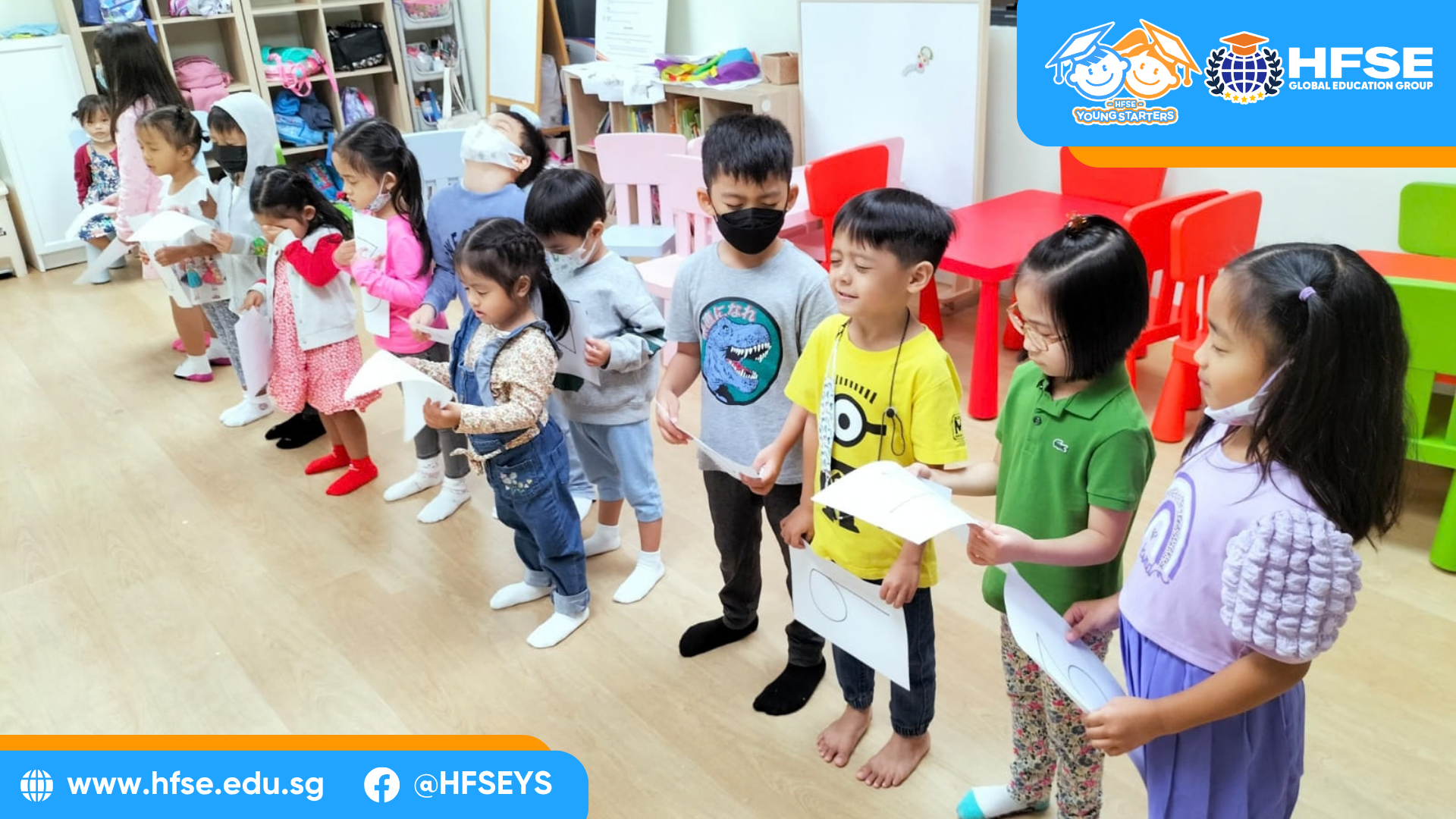
At HFSE YoungStarters, children are encouraged to learn through meaningful exploration in our YoungStarters Discovery programme, where curiosity and hands-on experiences are an essential part of the learning journey.
What Is Hands-On Learning?
Hands-on learning allows children to learn by actively participating in experiences rather than simply observing or memorising information.
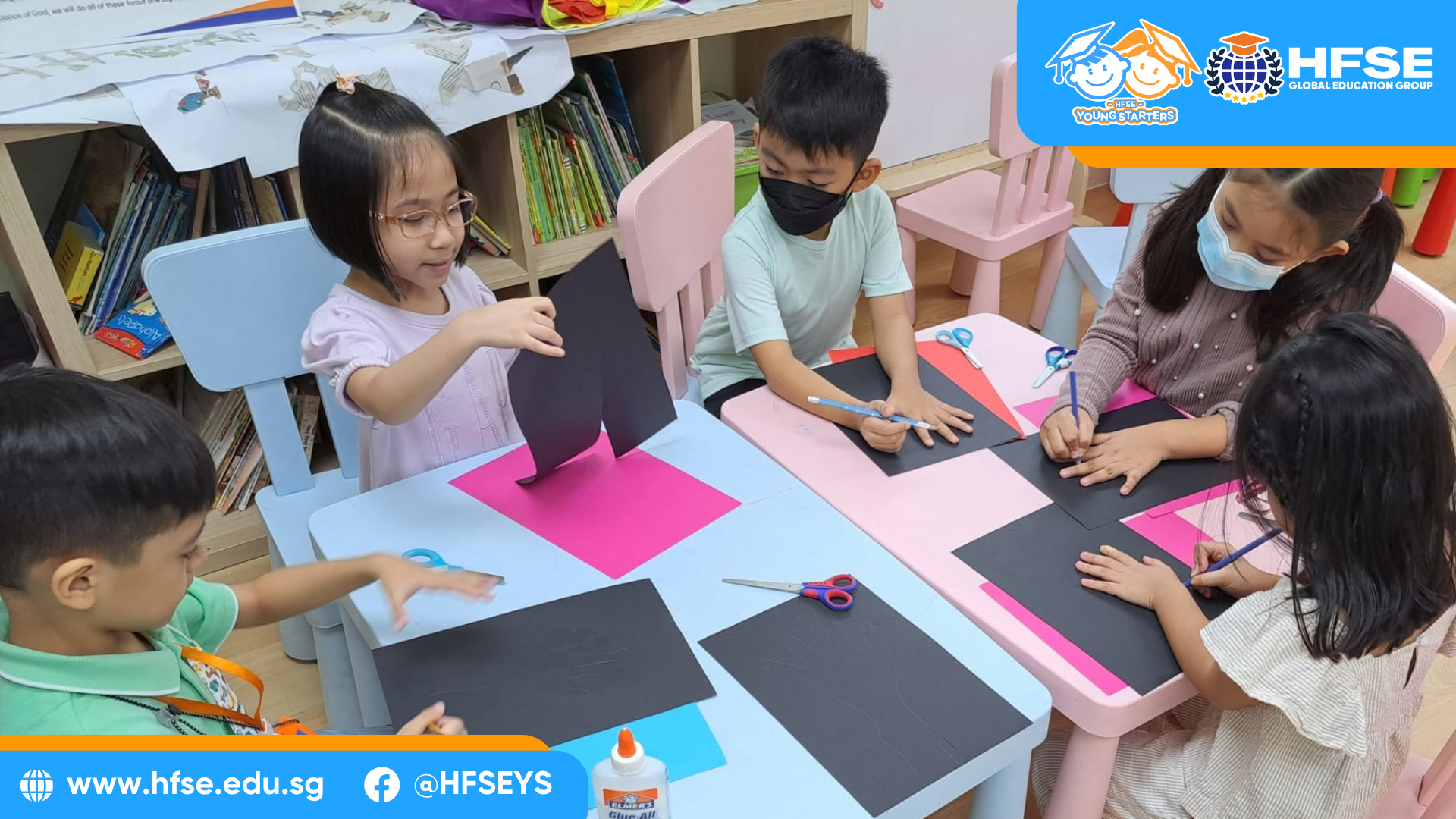
Instead of being told how something works, children have opportunities to experiment, investigate, and discover answers for themselves. Whether they are exploring natural materials, observing changes during a simple experiment, or engaging in purposeful play, children learn by doing.
This active approach helps children build stronger connections between new information and real-life experiences.
Developing Observation Skills
Young children are naturally curious about the world around them. Hands-on exploration encourages them to slow down, pay attention, and notice details.
As children observe how objects move, how materials feel, or how situations change, they begin to develop important observation skills. These experiences help children recognise patterns, ask questions, and make meaningful connections.
Strong observation skills form the foundation for scientific thinking and future learning.
Encouraging Problem-Solving and Critical Thinking
Exploration naturally introduces children to challenges that require thinking and decision-making.
During hands-on activities, children often ask themselves questions such as:
- What will happen if I try this?
- Why did that change?
- How can I make this work differently?
By exploring possible solutions and testing ideas, children learn how to think critically and solve problems independently.
These experiences help children become active learners who are confident in approaching new challenges.
Building Confidence Through Discovery
There is a special sense of accomplishment when children discover something on their own.
Whether they successfully complete an experiment, find a solution to a challenge, or make a new observation, these moments help build confidence. Children begin to trust their abilities and recognise that learning is something they can actively participate in.
This confidence encourages them to continue exploring, asking questions, and seeking new opportunities to learn.
Creating Deeper Understanding
Children often remember experiences more effectively when they have personally engaged with them.
Rather than simply hearing information, hands-on learning allows children to see, touch, manipulate, and explore concepts directly. This deeper engagement helps children develop a more meaningful understanding of what they are learning.
Experiences become easier to recall because children are actively involved in the learning process.
Supporting Social and Communication Skills
Hands-on activities frequently involve collaboration, discussion, and shared discovery.
As children explore together, they learn to communicate ideas, listen to others, ask questions, and explain their observations. These interactions help strengthen communication skills while encouraging cooperation and teamwork.
Children also gain confidence in expressing their thoughts and sharing their discoveries with others.
YoungStarters Discovery at HFSE YoungStarters
The YoungStarters Discovery programme is designed to help children learn through purposeful experiences, exploration, and meaningful interactions.
Through hands-on activities, experiments, and guided discovery, children are encouraged to investigate the world around them while developing confidence, curiosity, and critical thinking skills. Educators support this process by creating engaging environments where children can ask questions, test ideas, and make discoveries through active participation.
These experiences help children build a deeper understanding of themselves, their community, and the world around them.
Learning That Lasts Beyond the Classroom
Hands-on exploration is far more than play. It is a powerful way for children to develop observation skills, problem-solving abilities, confidence, and a genuine enthusiasm for learning.
At HFSE YoungStarters, we believe that when children are given opportunities to explore, investigate, and discover, they become active learners who are excited to engage with new ideas and experiences.
By nurturing curiosity through hands-on learning, we help children build strong foundations that support their growth both inside and beyond the classroom.
👉 Book an Open House
To learn more about HFSE YoungStarters and our nurturing early years environment, visit our Facebook page or contact us at +65 8200 0062 for further enquiries. We look forward to being part of your child’s journey as they learn, grow, and thrive through joyful experiences.