How Everyday Routines Help Children Feel More Confident and Secure
For many young children, change can feel overwhelming. A new activity, an unexpected schedule change, or a different environment can sometimes lead to frustration, uncertainty, or resistance. Consistent routines provide children with a sense of predictability and security, helping them feel more confident as they navigate everyday transitions. As parents, it is natural to wonder how to create an environment that helps children feel comfortable, capable, and ready for new experiences.
One of the most effective ways to support children is through consistent routines. Predictable daily routines help children understand what to expect and what is expected of them. As a result, they develop greater confidence, independence, and emotional security.
At HFSE YoungStarters, routines are thoughtfully integrated into learning experiences through programmes such as YoungStarters Discovery and Here I Come, P1!, helping children build confidence, independence, and readiness for future learning.
Why Routines Matter in Early Childhood
Young children thrive when they feel safe and secure. Routines provide structure and predictability, which can be comforting in a world that often feels new and unfamiliar.
When children know what comes next, they are better able to focus on learning and participating in activities rather than worrying about unexpected changes. Familiar routines help children feel more in control of their day and develop a stronger sense of confidence in their abilities.
Supporting Emotional Security
Predictable routines help children feel emotionally secure because they create consistency throughout the day.
Simple daily patterns such as getting ready in the morning, mealtimes, story time, and bedtime provide children with reassurance and stability. Over time, these routines become familiar and comforting, helping children feel calm and confident even when faced with new situations.
When children know what to expect, transitions often become smoother and less stressful.
Building Independence Through Daily Habits
Routines also create opportunities for children to practise doing things on their own.
As children become familiar with daily tasks, they gain confidence in completing them independently. Activities such as packing a bag, putting away belongings, preparing for meals, or following a bedtime routine help children develop important self-help skills.
These small successes contribute to a growing sense of independence and self-confidence.
Helping Children Manage Transitions
Transitions can be challenging for young children, particularly when they involve moving from a preferred activity to a less preferred one.
Consistent routines help children understand that transitions are a normal part of the day. When children know what comes next, they are more likely to cooperate and adapt more easily.
Visual schedules, verbal reminders, and predictable sequences can all help children move from one activity to another with greater confidence.
Simple Routines Parents Can Use at Home
Daily routines do not need to be complicated. Small, consistent habits can make a meaningful difference.
Parents can support confidence and security by establishing routines such as:
- A consistent morning routine before school
- Regular mealtimes throughout the day
- A predictable homework or quiet activity time
- A calming bedtime routine
- Encouraging children to help prepare their own belongings for the next day
These routines help children develop responsibility while creating a sense of stability.
Preparing Children for School Routines
As children approach Primary One, routines become increasingly important. Following schedules, managing belongings, and adapting to structured learning environments are all part of school life.
The ability to follow routines helps children feel more prepared and confident when entering new learning settings. Children who are familiar with structure often find it easier to adapt to classroom expectations and daily school schedules.
YoungStarters Discovery and Here I Come, P1!
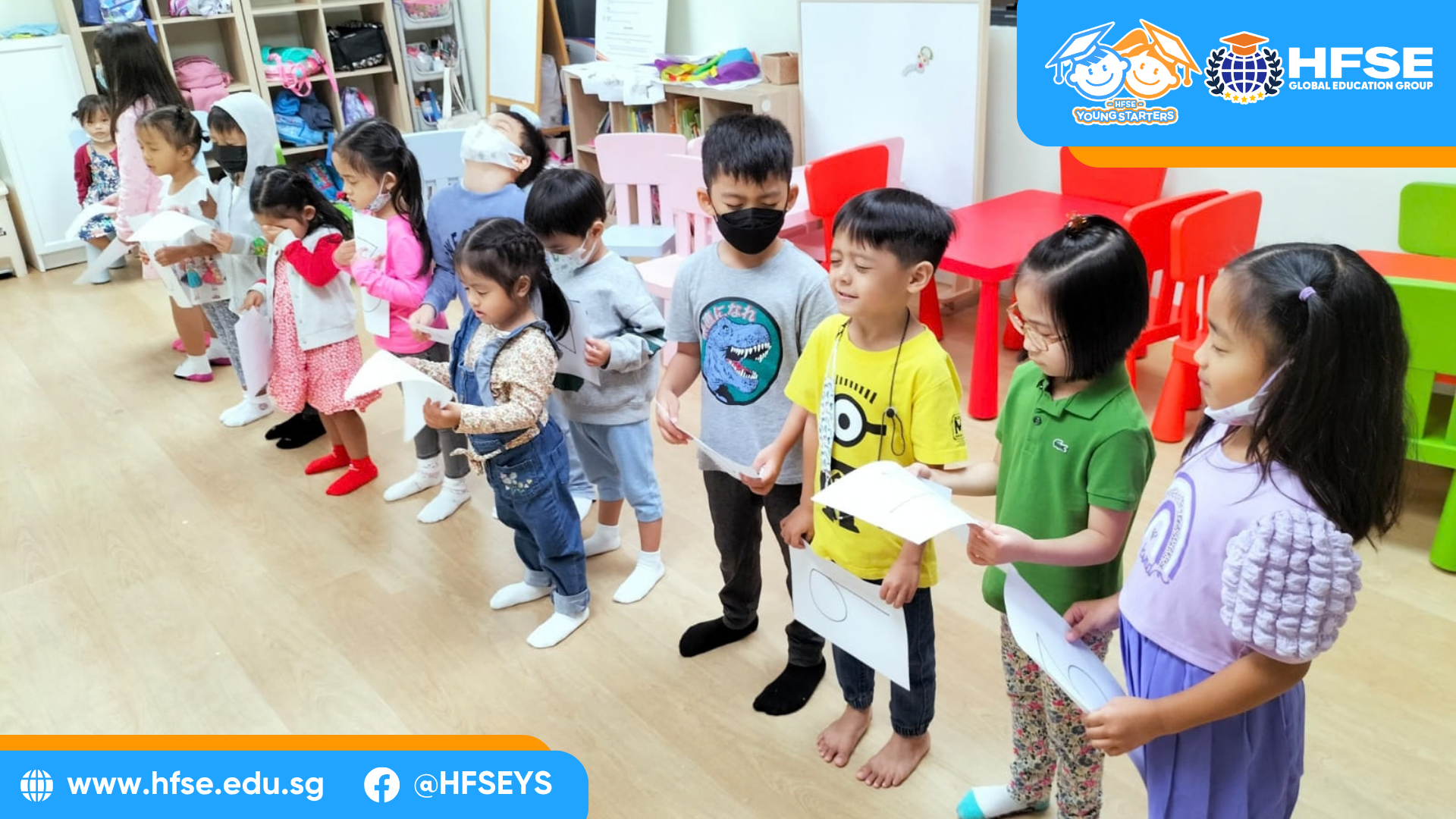
At HFSE YoungStarters, routines are thoughtfully incorporated into everyday learning experiences. Through YoungStarters Discovery, children develop confidence through structured exploration, purposeful learning, and consistent expectations.
In Here I Come, P1!, children are guided in developing practical habits and independence skills that support a smooth transition to primary school. Through predictable routines and age-appropriate responsibilities, children learn to manage tasks confidently and adapt to new environments with greater ease.
Creating Confidence Through Consistency
Children do not need every day to be exactly the same. What they do need is a sense of predictability that helps them feel secure as they learn and grow.
By establishing positive routines at home and school, parents and educators can help children develop confidence, independence, and emotional resilience. These everyday habits may seem simple, but they play an important role in preparing children for future success.
At HFSE YoungStarters, we believe that consistent routines create strong foundations, helping children become confident learners who are ready to embrace new experiences with curiosity and confidence.
👉 Book an Open House
To learn more about HFSE YoungStarters and our nurturing early years environment, visit our Facebook page or contact us at +65 8200 0062 for further enquiries. We look forward to being part of your child’s journey as they learn, grow, and thrive through joyful experiences.