Managing Separation Anxiety: Supporting Children Through Confident Goodbyes
Starting school, enrichment classes, or a new routine is an important milestone for young children. Along with excitement, these changes can also bring worry or distress. In many cases, these feelings appear during separation from parents or familiar caregivers.
At HFSE YoungStarters, separation anxiety is recognised as a natural part of early childhood development. With patience, consistency, and emotional support, children can learn to feel safe and confident even when apart from those they love most.
What Is Separation Anxiety?
Separation of anxiety refers to the feelings of fear or distress a child may experience when separated from primary caregivers. It commonly appears in babies and young children. This response reflects emotional attachment and healthy development.
As children grow up, they become more aware of their surroundings. At the same time, they recognise who provides safety and comfort. Therefore, being apart from trusted adults can feel overwhelming at first, especially in unfamiliar environments.
Why Separation Anxiety Happens
Separation of anxiety often appears alongside emotional growth.
As children understand that caregivers can leave and are not always visible, worry may increase. This response does not mean something is wrong. Instead, it shows that strong emotional bonds have formed and that the child feels secure with their caregiver.
In addition, feelings of anxiety may increase during times of change. Starting nursery, joining a new class, or returning after a school break can challenge a child’s sense of security. New routines, unfamiliar surroundings, and new faces all require adjustment.
Common Signs of Separation Anxiety
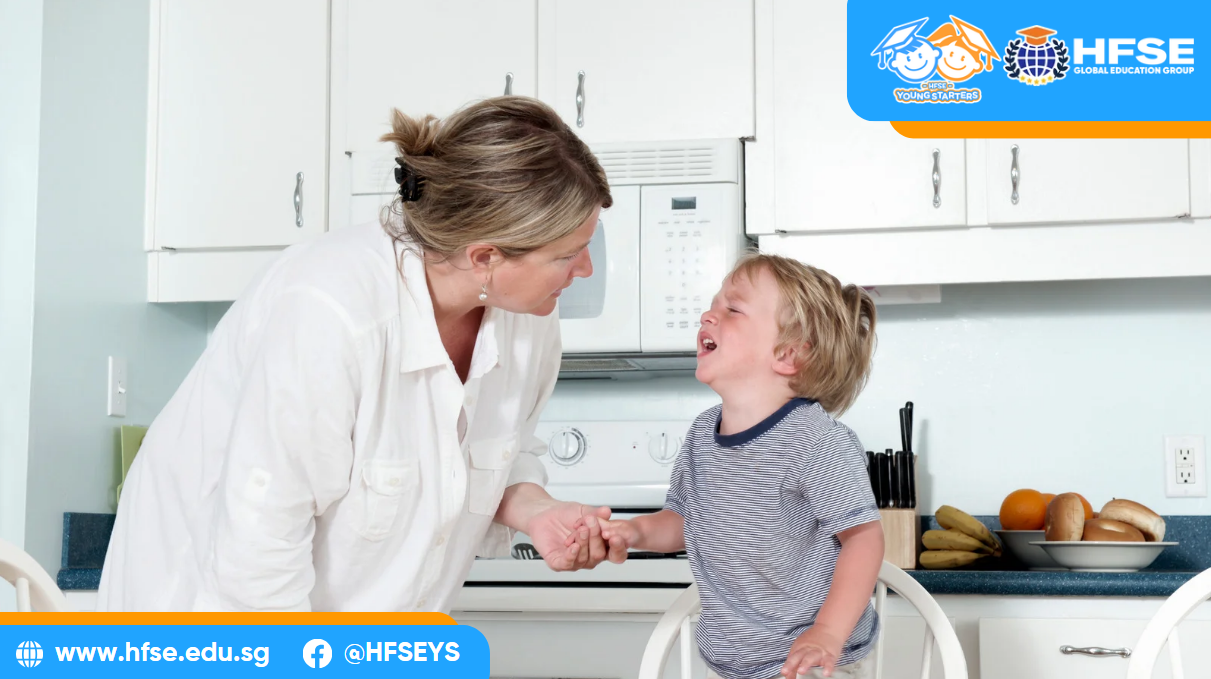
Children show separation anxiety in different ways. Common signs include:
- Crying or clinginess during drop off
- Difficulty letting go of a parent or caregiver
- Changes in behaviour such as withdrawal or irritability
- Complaints of tummy aches or general discomfort
These behaviours reflect emotional unease rather than misbehaviour. For most children, these responses are reduced as routines become familiar, and confidence grows.
How Adults Can Support Children Through Separation
Calm, consistent, and empathetic support helps children manage separation more successfully.
Establishing Predictable Routines
Children feel safer when they know what to expect. For this reason, clear morning routines and familiar goodbye rituals are helpful. Predictability reassures children that separation is temporary.
Keeping Goodbyes Calm and Confident
Lingering or uncertain goodbyes can increase anxiety. Instead, calm and confident farewells help children feel secure. When adults show confidence, children are more likely to feel safe.
Practising Short Separations
Gradual exposure supports independence. Therefore, short separations in familiar settings can help children understand that time apart is manageable. Over time, this builds confidence.
Acknowledging Feelings with Reassurance
Children benefit when adults recognise their feelings. Allowing children to express sadness or worry helps them feel understood. At the same time, gentle reassurance reminds them that they are safe and supported.
Separation Anxiety at HFSE YoungStarters
At HFSE YoungStarters, educators work closely with families to support smooth transitions. Teachers greet children warmly and maintain consistent routines. Engaging activities are prepared to help children settle quickly.
Through strong relationships and a nurturing environment, children begin to see school as a safe and welcoming place. Gradually, confidence grows and separation becomes easier. Most children develop comfort and independence as trust builds.
Growing Confidence Through Support
Separation anxiety is not a setback. Instead, it reflects emotional growth and secure attachment. With empathy, patience, and consistency, children learn to manage time apart with increasing confidence.
At HFSE YoungStarters, we support children and families through this important stage. By doing so, we help children develop emotional security and confidence for their early learning journey.
To learn more about HFSE YoungStarters and our nurturing early years environment, visit our Facebook page or contact us at +65 8200 0062 for further enquiries. We look forward to being part of your child’s journey as they learn, grow, and thrive through joyful experiences.