Independent Play: Helping Children Build Imagination and Creativity
Independent play is one of the most meaningful ways young children learn. During the early years, play supports thinking, creativity, and emotional growth. While shared play with adults and peers remains important, time spent playing independently also plays a vital role in development.
At HFSE YoungStarters, independent play is encouraged within a balanced and nurturing learning environment. Children are given the space to explore ideas, make choices, and follow their curiosity at their own pace. Through this process, learning becomes personal, engaging, and lasting.
What Is Independent Play?
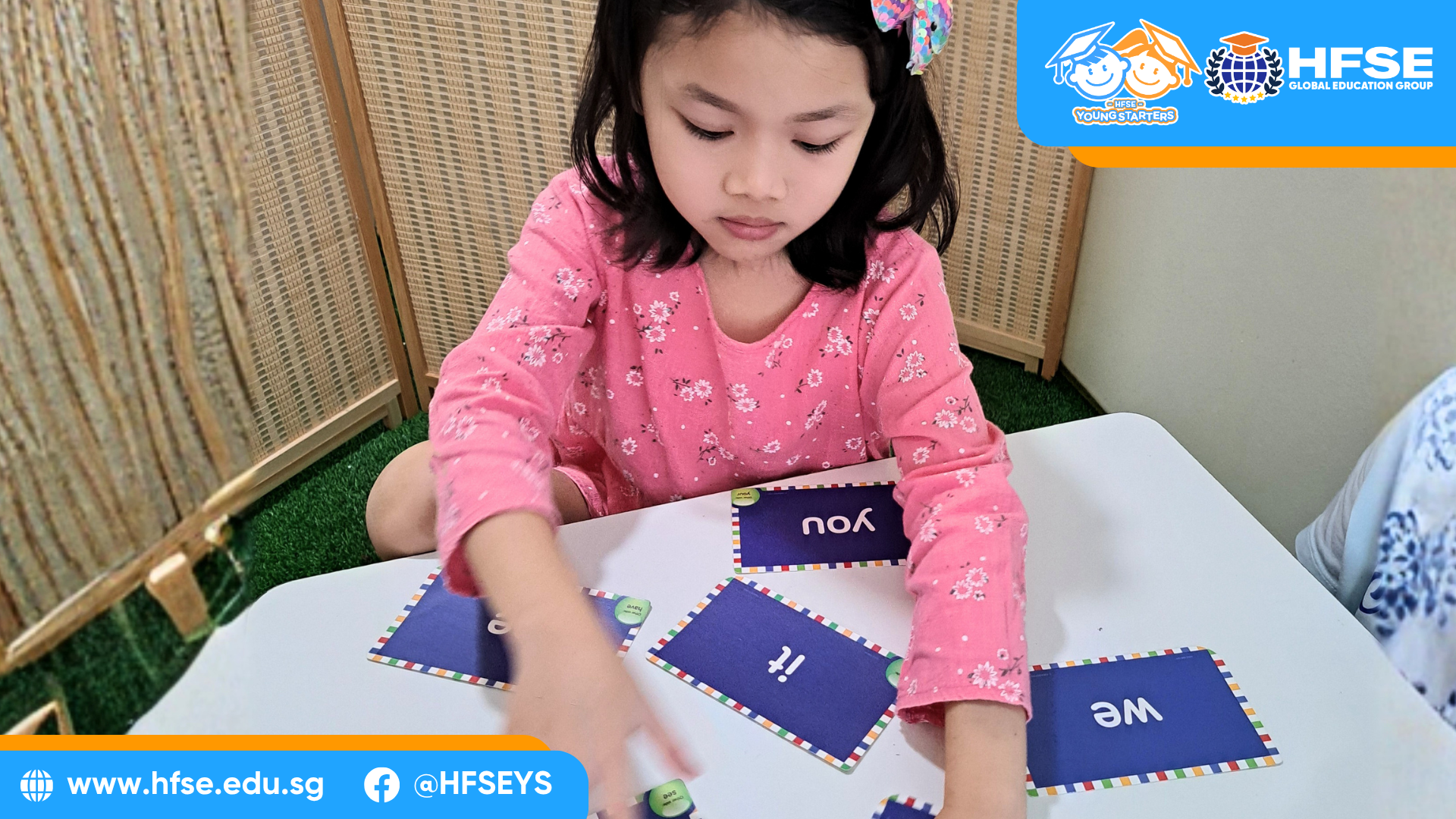
Independent play refers to moments when a child engages in play without direct adult guidance. This does not mean children are left alone or unsupported. Instead, adults remain nearby to provide safety and reassurance while allowing the child to lead the play experience.
Play can happen alone or alongside others. Both forms support development in different ways. Independent play, however, gives children the freedom to think, imagine, and explore without interruption. Over time, this freedom strengthens confidence and creativity.
Why Independent Play Matters in Early Childhood
Independent play offers specific developmental benefits that complement adult guided learning.
Building Imagination and Creativity
When children play independently, they invent stories and explore ideas freely. Everyday objects may become something new through imagination. As a result, children practise creative thinking and self-expression.
Without fixed instructions, children become creators of their own play. This strengthens originality and supports flexible thinking.
Encouraging Confidence and Independence
Independent play allows children to discover what they can do on their own. When children solve small challenges without immediate adult support, confidence grows.
Gradually, children begin to trust their abilities. This sense of independence supports positive self-belief and resilience.
Developing Focus and Problem Solving
Playing independently helps children concentrate on activities they choose themselves from. Whether building with blocks or engaging in imaginative play, children practise planning, trial, and problem solving.
Over time, uninterrupted play supports sustained attention and patience. These skills are essential for early learning and daily life.
Supporting Emotional Regulation
Self-directed play gives children space to manage emotions. During independent play, children learn to cope with boredom, frustration, and persistence in a safe way.
These early experiences support emotional regulation and classroom readiness. Children become better equipped to manage feelings during daily routines.
How Adults Can Support Independent Play
Children learn to play independently over time. With thoughtful preparation, adults can support this process effectively.
Creating a Safe and Inviting Play Space
Children feel more confident when their environment feels secure and accessible. A well organised space with age-appropriate materials invite exploration.
When children know that an adult is nearby, they feel reassured. As a result, they can focus more fully on playing.
Choosing Open Ended Materials
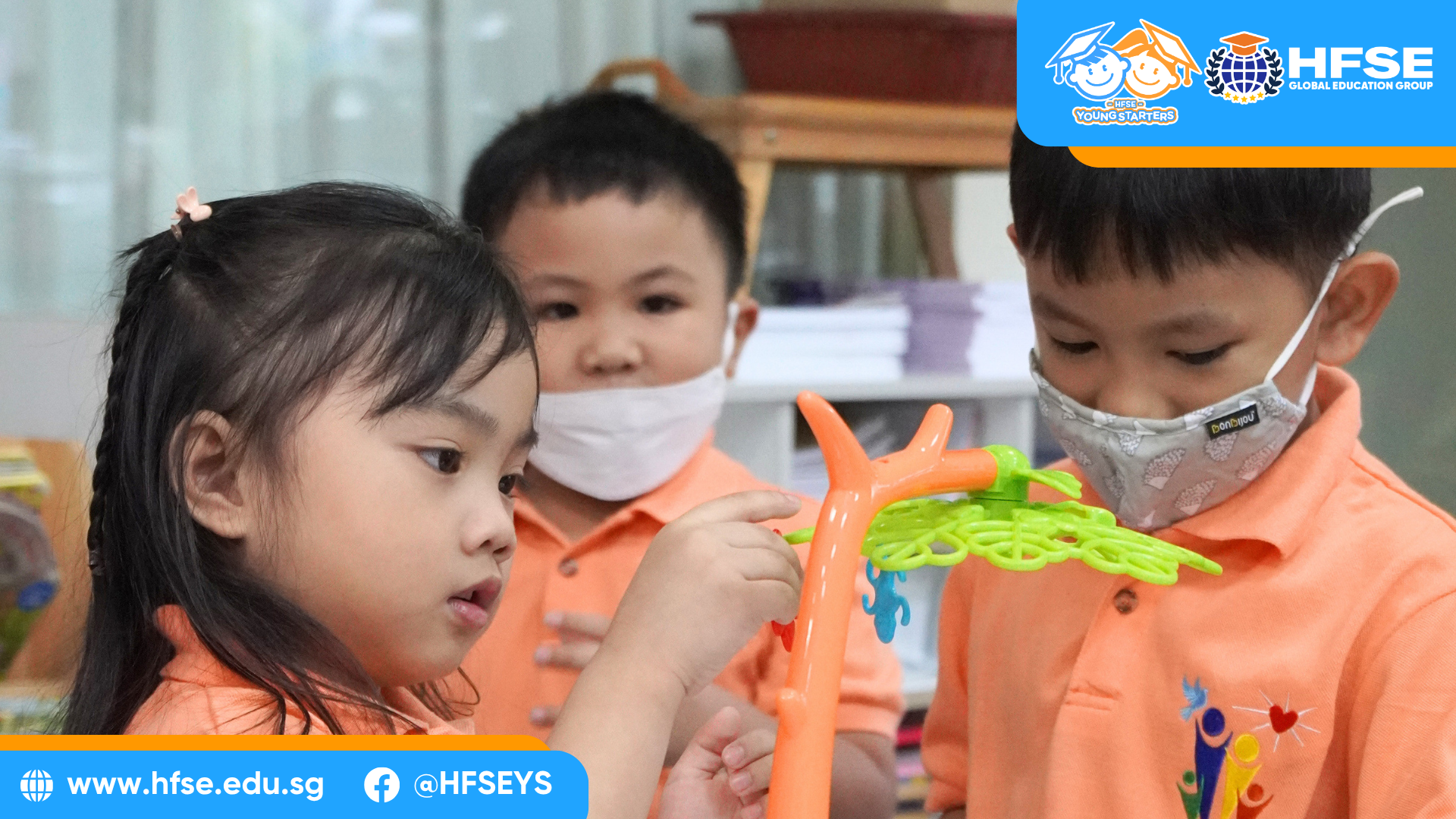
Simple materials such as blocks, loose parts, dolls, and art supplies encourage creativity. These items allow many ways to play rather than one fixed outcome.
Open-ended materials support imagination, problem solving, and longer engagement. Therefore, children remain interested in extended periods.
Starting Together and Stepping Back Gradually
For younger children, playing alongside them at first can help spark interest. Once children become engaged, adults can slowly step back while remaining present.
This approach builds confidence while encouraging independence. Children feel supported without being directed.
Keeping Expectations Age Appropriate
Independent play looks different at each age. Toddlers may play alone for short periods. Older preschool children may stay engaged for much longer.
Allowing this skill to develop gradually supports success. Above all, progress builds confidence rather than pressure.
Independent Play at HFSE YoungStarters
At HFSE YoungStarters, independent play is part of the daily rhythm. Educators observe children closely and provide materials based on interests and developmental needs. Children receive time and space to explore without rushing outcomes.
By valuing independent play, we help children develop imagination, independence, and self-belief. These skills support emotional wellbeing, creativity, and lifelong curiosity.
Independent play is not time without learning. Instead, it is a time when learning truly belongs to the child
To learn more about HFSE YoungStarters and our nurturing early years environment, visit our Facebook page or contact us at +65 8200 0062 for further enquiries. We look forward to being part of your child’s journey as they learn, grow, and thrive through joyful experiences.