Exploring Sensory Play in Early Childhood
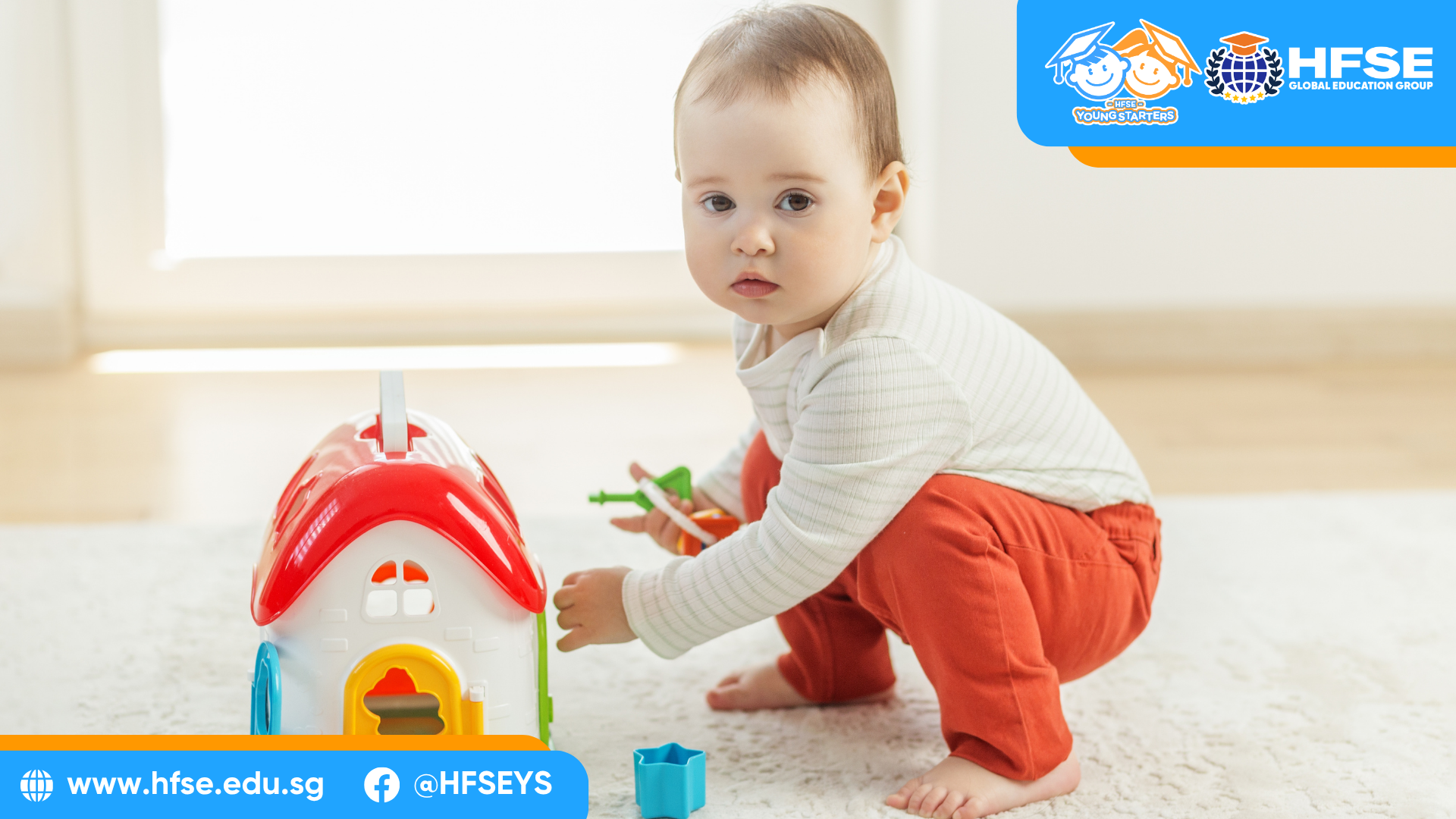
Sensory play is one of the most powerful learning experiences in early childhood. For toddlers, it offers a natural way to explore the world through touch, sight, sound, and movement. At the same time, it supports essential developmental skills in a joyful and meaningful way.
At HFSE YoungStarters, sensory play forms an important part of daily learning. Children investigate, experiment, and make sense of their surroundings through hands-on discovery. These experiences help toddlers build confidence while developing curiosity and independence.
What Is Sensory Play?
Sensory play includes any activity that stimulates a child’s senses. This includes touch, sight, smell, sound, and movement. In addition, sensory activities support balance and body awareness as children scoop, pour, squeeze, and explore different materials.
Sensory or messy play encourages children to explore freely. It also helps develop thinking, creativity, and physical skills through active engagement. Rather than focusing on an end result, sensory play values exploration and process.
Sensory bins are a simple and effective way to encourage this type of play. These containers often include materials such as sand, water, or rice. As a result, toddlers can explore without pressure or a fixed outcome.
The Developmental Benefits of Sensory Play
Sensory play supports many areas of development at the same time.
Cognitive and Brain Development
When toddlers manipulate materials like sand or rice, they explore cause and effect. Over time, this supports early problem solving and scientific thinking. Sensory experiences help children understand how the world works through direct interaction.
Fine Motor Skill Development
Activities such as scooping, pouring, and grasping build hand strength and coordination. These fine motor skills prepare children for later tasks. Writing, dressing, and self-care all rely on these early movements.
Language and Communication
Sensory play encourages rich, descriptive language. Words such as rough, smooth, wet, dry, full, and empty often emerge through shared play. When adults talk with children during sensory activities, vocabulary and communication skills develop more naturally.
Emotional Regulation and Focus
Many sensory activities create a calming effect. Repetitive actions such as pouring water or running fingers through sand help toddlers settle emotions. As a result, children may show improved focus and emotional regulation over time.
Sensory Bins Explained
Sensory bins invite open-ended exploration. The focus remains on engagement rather than completion. Common sensory bins include:
- Sand bins, which support tactile exploration and imaginative play
- Water bins, which encourage experimentation and coordination
- Rice bins, which promote fine motor control and concentration
Sensory trays and bins as effective tools for exploring textures and developing hand skills. Children gain confidence when they play freely without right or wrong answers.
Five Minute Sensory Bin Setup Ideas
Sensory play does not need to be complex. With simple materials, meaningful play can be prepared quickly.
- Simple Sand Scoop Bin
Fill a shallow container with clean sand. Add cups, spoons, and small containers. This setup supports coordination, hand strength, and imaginative play.
- Water Pour and Fill Station
Add water to a tub and include measuring cups, funnels, or plastic bottles. Toddlers explore concepts such as full and empty while strengthening problem solving skills.
- Rice Treasure Bin
Fill a container with uncooked rice and hide small toys or natural objects. Children practise patience, focus, and fine motor control as they search.
- Texture Mix Bin
Combine rice, pasta, and lentils to create contrast. This encourages children to compare textures and describe differences using sensory language.
- Nature Sensory Bin
Collect leaves, stones, and twigs from outdoors. Nature-based sensory play supports curiosity, environmental awareness, and imaginative thinking. It is also known to have calming effects.
Supporting Sensory Play at HFSE YoungStarters
At HFSE YoungStarters, sensory play is planned with intention. Educators observe each child closely and adapt materials based on interest and development. Safety and inclusion remain central to every experience.
By offering consistent sensory opportunities, toddlers strengthen foundational skills and develop a love for hands-on learning. Sensory play supports growth that extends well beyond the classroom.
Sensory play is simple, powerful, and essential. With just a few minutes of preparation, it can support lifelong learning
To learn more about HFSE YoungStarters and our nurturing early years environment, visit our Facebook page or contact us at +65 8200 0062 for further enquiries. We look forward to being part of your child’s journey as they learn, grow, and thrive through joyful experiences.