How Important Are Extracurricular Activities for Children?
When parents think about their child’s education, academics are often the first priority. Strong literacy, numeracy, and subject knowledge are undoubtedly important. However, many valuable lessons take place outside the classroom. This is where extracurricular activities make a difference.
From sports and performing arts to leadership programmes and community service, extracurricular activities help children develop important skills, confidence, and real-world experiences. Furthermore, they support a child’s overall growth and wellbeing.
As today’s world continues to change, many parents look for schools that balance academic achievement with holistic development.
So, how important are extracurricular activities, and why should they be a key factor when choosing a school?
What Are Extracurricular Activities?
Extracurricular activities are programmes and experiences that take place outside the formal academic curriculum.
They allow students to explore interests, discover talents, and learn beyond traditional classroom lessons.
Examples include:
- Sports and athletics
- Performing arts and theatre
- Music and dance
- Student leadership programmes
- Academic competitions
- Debate and public speaking
- Community outreach projects
- Cultural immersion activities
- Clubs and special interest groups
As a result, these activities provide opportunities for children to discover strengths that may not always appear in academic settings.
Building Confidence and Self-Esteem
One of the greatest benefits of extracurricular activities is the confidence they help build.
When children participate in activities they enjoy, they learn new skills and overcome challenges. In addition, they experience satisfaction in achieving personal goals.
Success can take many forms. For example, a child may perform on stage, complete a competition, lead a project, or contribute to a team effort. Consequently, these experiences help children develop self-belief and resilience. They also encourage children to approach future challenges with confidence.
Developing Important Life Skills
Academic knowledge is important. However, life skills are essential.
Extracurricular activities help children develop:
- Communication skills
- Leadership abilities
- Teamwork and collaboration
- Problem-solving skills
- Time management
- Responsibility and accountability
- Adaptability and resilience
These qualities support success both in school and beyond.
Furthermore, practical experiences teach children how to work effectively with others, manage responsibilities, and contribute positively to their communities.
Encouraging Social Growth
Building friendships is an important part of childhood development.
Extracurricular activities bring together students who share common interests. As a result, children have opportunities to interact with others in meaningful ways.
Moreover, they learn how to cooperate, communicate respectfully, and build relationships outside their regular classroom groups.
For students who are new to a school, extracurricular activities can be especially valuable. They often provide an easier way to make friends and feel part of the wider school community.
Discovering Passions and Talents
Many children discover lifelong interests through extracurricular experiences.
For example, a student who joins a drama production may discover a passion for public speaking. Similarly, a child who participates in sports may develop a love for athletics.
Others may find fulfilment through music, leadership, art, or community service.
By exposing children to a variety of experiences, schools help them explore their interests and better understand their strengths. Consequently, these discoveries can influence future academic and career pathways.
Supporting Academic Success
Some parents worry that extracurricular activities may distract students from academics. However, the opposite is often true. Students who participate in meaningful activities frequently develop discipline, focus, organisation, and perseverance.
Additionally, balancing academic responsibilities with extracurricular commitments helps students develop strong time management skills. As a result, many students become more motivated, organised, and engaged learners. A well-balanced student often performs better both inside and outside the classroom.
Helping Children Become Well-Rounded Individuals
Education should prepare children not only for examinations but also for life.
Extracurricular activities expose students to new experiences, perspectives, and challenges. Consequently, children develop empathy, confidence, creativity, and social awareness.
These experiences help shape individuals who can succeed in diverse environments and contribute positively to society.
Furthermore, they encourage children to become active participants within their communities.
How HFSE International School Supports Holistic Development
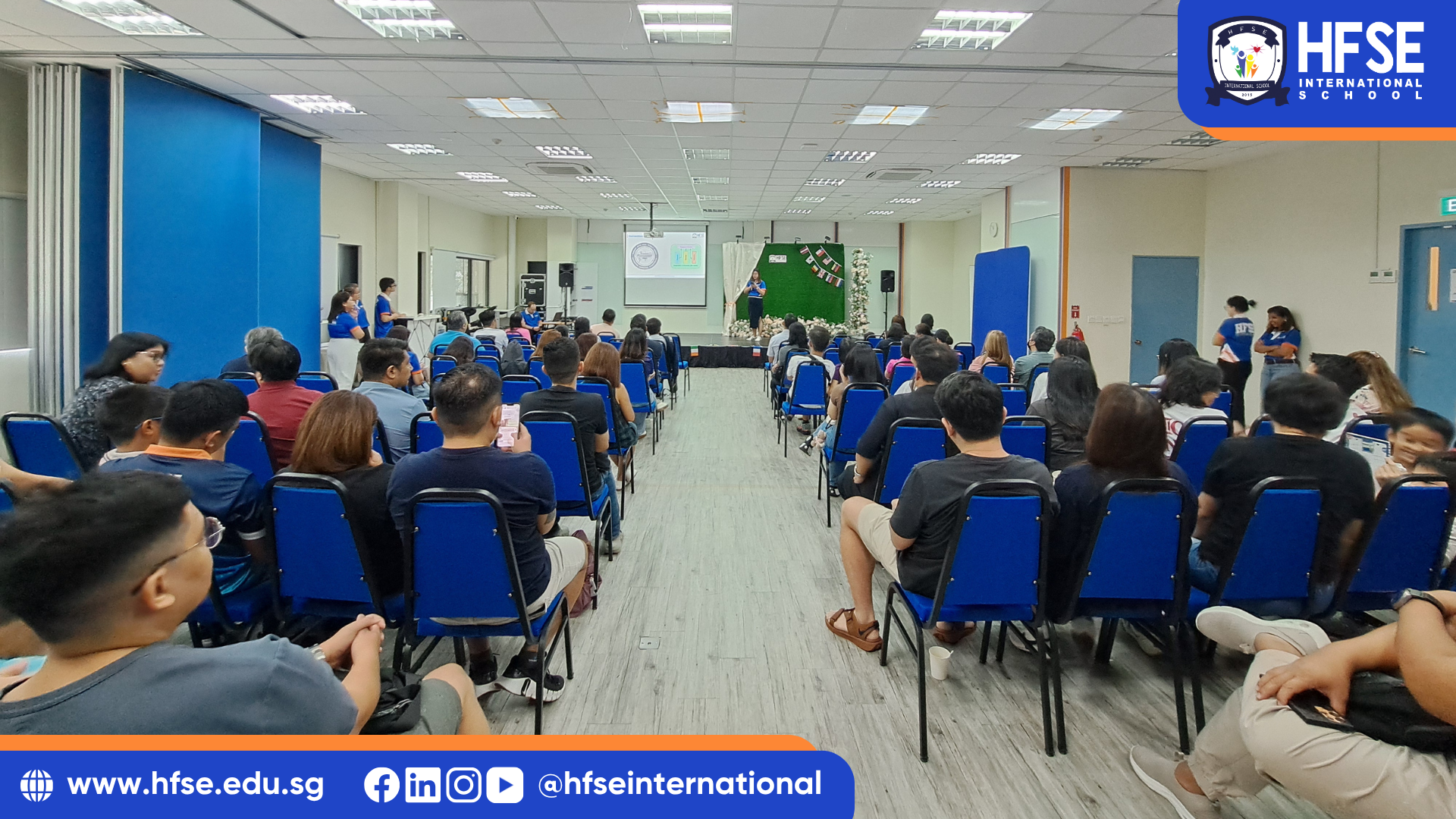
At HFSE International School, extracurricular activities are an essential part of every student’s educational journey.
As an International School for ALL, HFSE believes every learner should have opportunities to grow beyond academics and explore their unique talents and interests.
Students participate in a wide range of activities and programmes, including:
- Sports and Sportsfest participation
- Leadership development programmes
- Student prefect training
- Theatre productions and performances
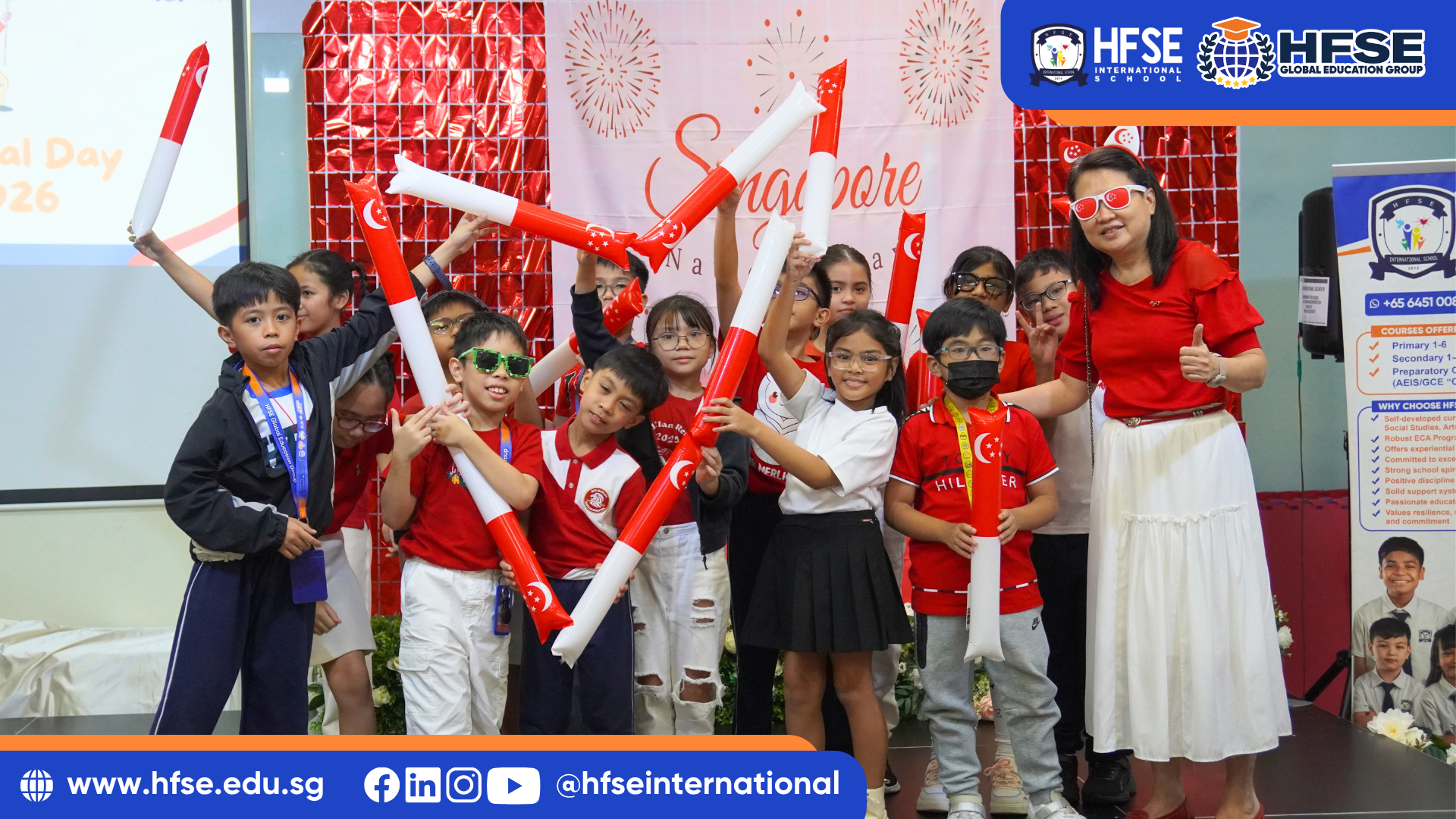
- Cultural immersion programmes
- Community outreach initiatives
- Academic competitions
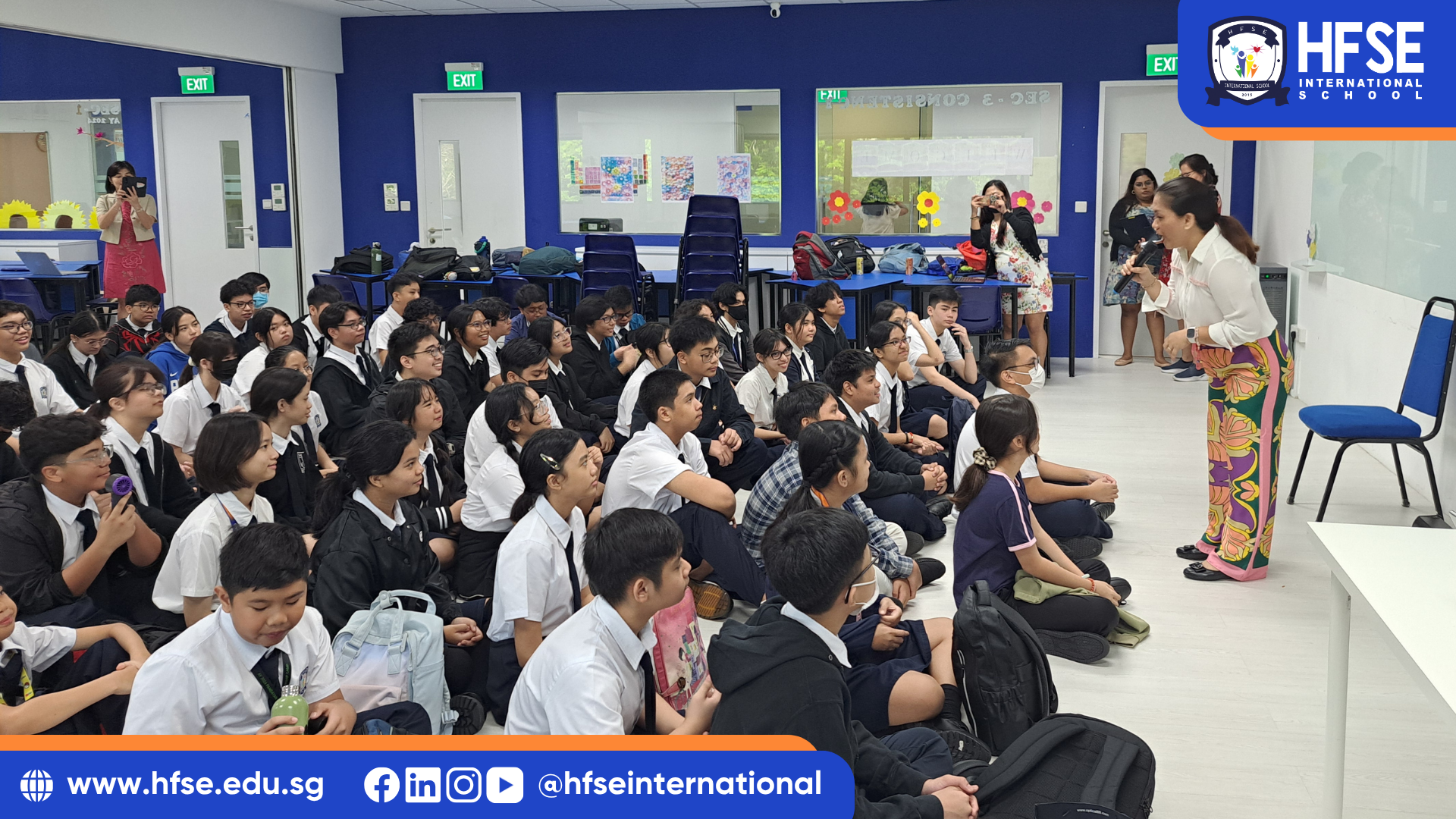
- Public speaking and communication workshops
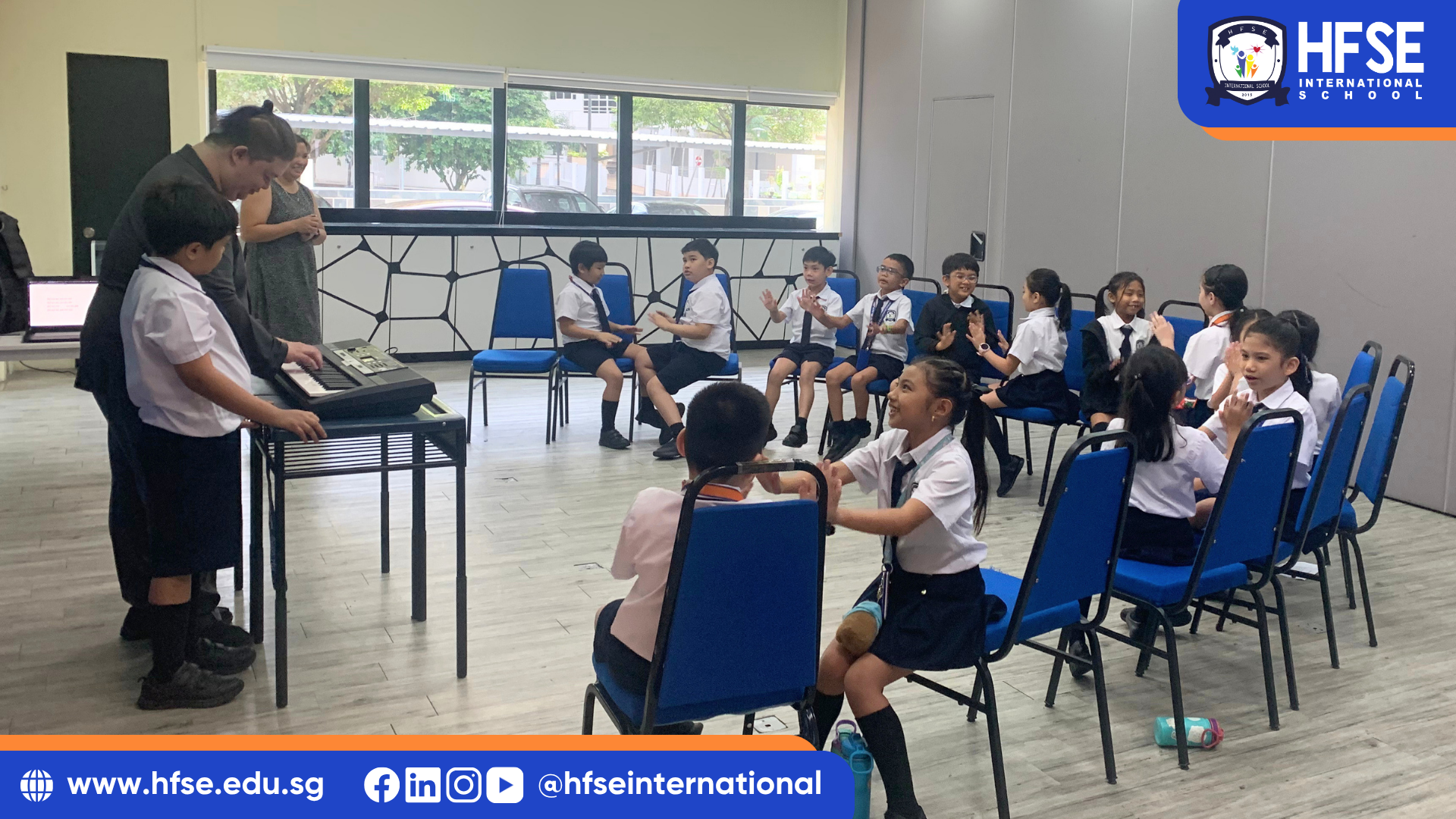
- Creative arts and enrichment activities
As a result, students apply what they learn in meaningful ways while developing confidence and practical skills.
The HFSE Approach to Student Development
The value of extracurricular activities aligns closely with HFSE’s HAPI Framework, which encourages students to become:
- Happy & Humble
- Assertive & Appreciative
- Proactive & Productive
- Independent & Interdependent
Through participation in activities beyond the classroom, students practise these values in authentic situations.
Whether leading a project, competing in a tournament, performing on stage, or serving the community, learners gain experiences that contribute to their personal growth.
Consequently, they develop into responsible, capable, and confident young people.
Finding the Right Balance
The goal is not to fill a child’s schedule with endless activities.
Instead, parents should look for opportunities that match a child’s interests, strengths, and developmental needs.
When chosen thoughtfully, extracurricular activities enrich learning, support wellbeing, and create experiences that children remember long after their school years.
Why Extracurricular Activities Matter
Extracurricular activities are more than optional additions to education. They are powerful learning experiences that help children develop confidence, character, friendships, and essential life skills.
At HFSE International School, we believe every child deserves opportunities to grow academically, socially, and emotionally.
By combining strong academics with meaningful enrichment experiences, we prepare learners to become confident, compassionate, and well-rounded individuals who are ready to make an HFSEan difference.
👉 Book an Open House
To learn more about our curriculum, educational approach, or future programmes, visit our Facebook Page, call our Admissions Hotline at +65 8200 0062, or email [email protected]. Our team would be pleased to answer any questions you may have.