Social Skills Every Child Should Practise Before Starting Primary School
When preparing children for Primary One, many parents naturally focus on academic skills. However, social development plays an equally important role in helping children feel confident and comfortable in a new school environment.
Strong social skills help children build friendships, work with others, communicate effectively, and navigate new experiences. At HFSE YoungStarters, the Here I Come, P1! programme supports children in developing the social confidence needed for a smooth and positive transition to primary school.
Why Social Skills Matter
Primary school introduces children to new classmates, teachers, routines, and learning environments. Social skills help children feel connected and supported as they adapt to these changes.
Children who can communicate, cooperate, and build positive relationships often adjust more confidently to school life.
Learning to Communicate Effectively
Communication is one of the most important social skills children develop during the early years.
Children benefit from learning how to:
- Express their thoughts and needs clearly
- Listen attentively to others
- Follow conversations
- Ask for help when needed
These skills support classroom participation and help children build positive relationships with peers and teachers.
Building Friendship Skills
Making friends is often a priority for children entering Primary One.
Friendship skills include:
- Introducing themselves to others
- Sharing and taking turns
- Showing kindness and empathy
- Including others in activities
- Resolving minor disagreements respectfully
These experiences help children develop a sense of belonging and confidence in social situations.
Practising Cooperation and Teamwork
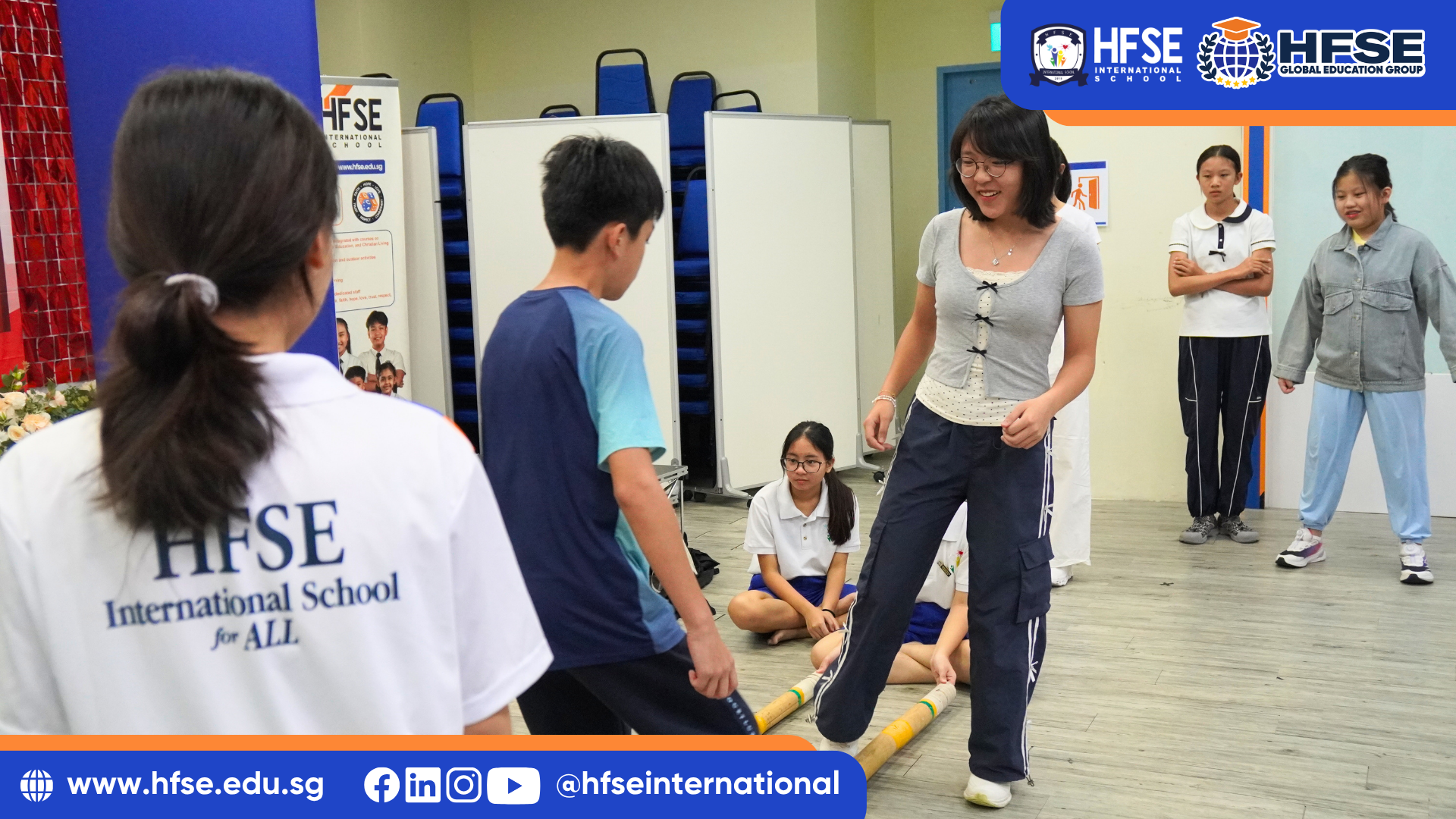
Many school activities involve working with others. Through cooperative experiences, children learn how to contribute ideas, listen to different perspectives, and work towards shared goals.
These skills help children participate successfully in both academic and social settings.
Developing Emotional Awareness
Social confidence also involves understanding and responding to emotions appropriately.
Children who can recognise their own feelings and understand how others may be feeling are better equipped to navigate friendships and everyday interactions.
This emotional awareness supports positive relationships and conflict resolution.
Here I Come, P1! at HFSE YoungStarters
At HFSE YoungStarters, the Here I Come, P1! programme provides opportunities for children to practise communication, collaboration, and social interaction through meaningful activities.
Children develop confidence through group experiences, guided discussions, role play, and cooperative learning opportunities. These experiences help prepare them for the social expectations of primary school.
Supporting Positive Transitions
Strong social skills help children feel confident in new environments and create meaningful relationships with those around them.
At HFSE YoungStarters, we believe that preparing children for Primary One involves more than academic readiness. By nurturing communication, friendship, and cooperation skills, we help children build the confidence needed to thrive in their next stage of learning.
To learn more about HFSE YoungStarters and our nurturing early years environment, visit our Facebook page or contact us at +65 8200 0062 for further enquiries. We look forward to being part of your child’s journey as they learn, grow, and thrive through joyful experiences.